Industry News

Werner Herzog vs AI Filmmakers: Is Prompt Mimicry Theft or Art?
Werner Herzog called AI style-mimics talentless. But is the real issue AI, or Hollywood gatekeeping? A look at both sides of the debate.

Werner Herzog called AI style-mimics talentless. But is the real issue AI, or Hollywood gatekeeping? A look at both sides of the debate.
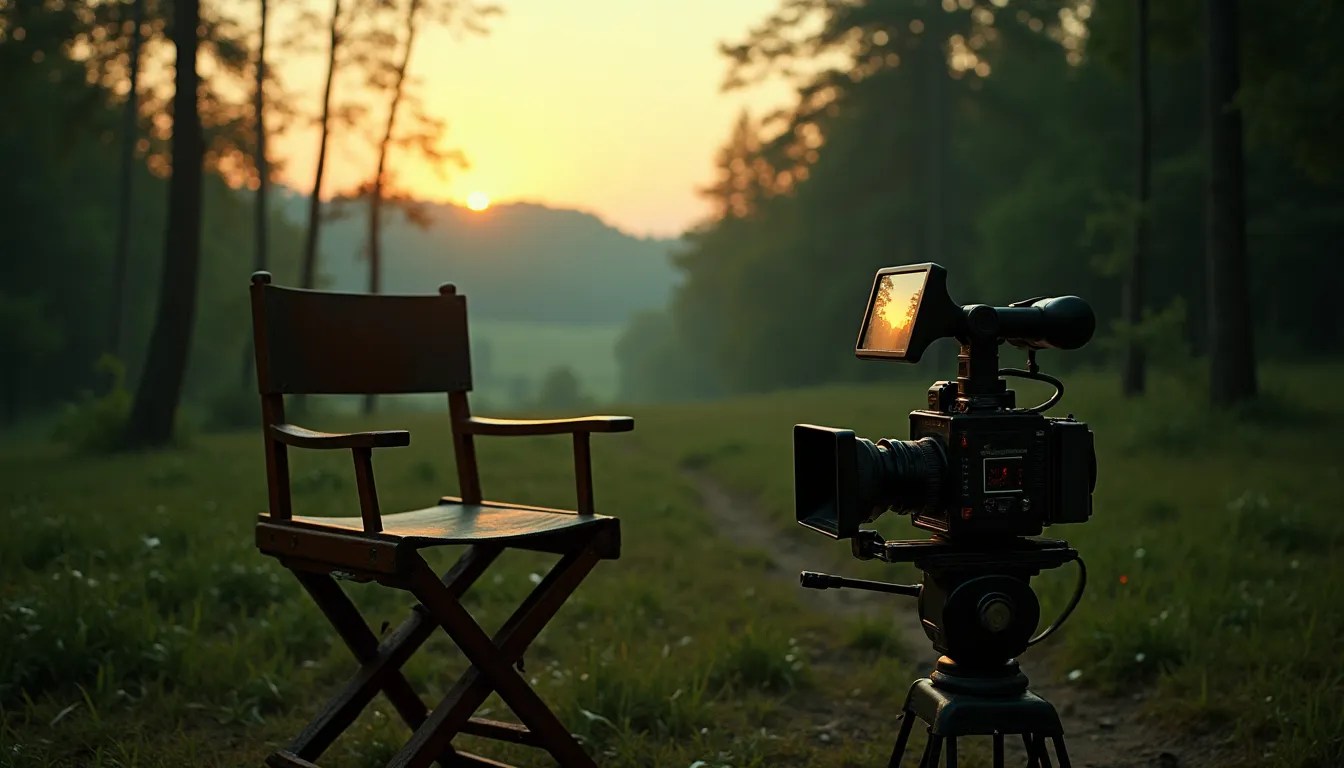
Werner Herzog stood in front of a festival audience to promote his own new film — by all accounts a genuinely strange one, which is the only kind of film Herzog seems to know how to make — and used part of that time to call out filmmakers who use AI to copy other directors’ visual styles. He didn’t mince words. People doing this, in his view, are talentless. It’s a good soundbite, and it’s already traveling. But the more interesting question isn’t whether Herzog is right to be annoyed. It’s what he’s actually annoyed about, because it isn’t AI.
Herzog has spent decades being one of the least replicable filmmakers alive. You can’t easily fake his sensibility because it comes from a man who dragged a steamship over a mountain for a shot and once got shot with an air rifle mid-interview and kept talking. So when he sees someone typing “in the style of Christopher Nolan” or “like a Wes Anderson film” into a prompt box and generating a short for Instagram, his objection isn’t really about the software. It’s the same objection artists have always had about pastiche: is this a tribute, a technique, or theft with extra steps? AI just makes the theft faster and cheaper to produce, which is why it’s suddenly a headline instead of a film-school argument.
And here’s where I think the conversation needs to split in two, because right now it’s being treated as one debate when it’s actually two very different ones getting mashed together.
Case one is the thing Herzog is actually mad about, and honestly, he’s not wrong. Someone with no craft, no eye, no original idea, prompting a model to spit out “Nolan-coded” visuals so they can farm views on a dramatic short — that’s not filmmaking, that’s cosplay with a GPU. It’s the same instinct as tracing someone else’s art and slapping your name on it. The tool didn’t create that problem, but it did make it frictionless, and frictionless copying at scale is a legitimate thing to be worried about.
Case two is completely different, and it’s the one getting flattened by all this outrage. There are people right now — with real stories in their heads, real shot lists, real storyboards, a genuine sense of camera and composition — who have zero access to a studio, a crew, or a budget. Not because they lack talent, but because Hollywood has never been a meritocracy; it’s been a gatekept industry that runs on relationships, location, and money. For that person, AI isn’t a style-theft machine. It’s the first tool in history that lets them execute their own original vision without needing permission from anyone.
Which brings me to what I actually think is going on with directors like Herzog, and with a good chunk of the industry’s discomfort right now. This isn’t really about aesthetics or ethics. It’s about gatekeeping, and the fear that comes when a gate stops working. Television executives went through this exact panic when YouTube showed up and let anyone with a camera publish directly to an audience, no network, no development deal, no gatekeeper’s blessing required. Most of what got made was mediocre. A lot of it was worse than mediocre. But the people who had genuine talent and something to say eventually found their audience anyway, because the gate wasn’t protecting quality — it was just protecting access.
I think the same thing is coming for filmmaking, and I don’t think Hollywood can stop it. AI is going to open the industry up to a huge number of people who were never going to get a meeting, a fellowship, or a shot otherwise. Most of them, like most YouTubers, won’t make anything worth watching. That’s fine — that’s what happens whenever a barrier drops and everyone rushes in at once. But talent doesn’t disappear just because the tool is new, and it doesn’t get created just because the tool is powerful either. The people with real vision will use AI to build things only they could have imagined, and the people copying Nolan’s lighting setups because they have nothing of their own to say will stay exactly where Herzog put them.
The tool isn’t the argument. The argument is whether you had something original in your head before you ever touched it.
At a festival appearance, Werner Herzog criticized filmmakers who use AI to imitate other directors’ visual styles, calling them talentless for prompting AI to mimic filmmakers like Christopher Nolan or Wes Anderson rather than developing original work.
It’s debated. Critics argue AI-generated pastiche of a specific director’s visual style is derivative and frictionless copying at scale, while others see AI as a legitimate tool that only becomes a problem when it replaces original creative vision entirely.

Quick answer: what AI did Ramayana use? Ramayana: Part One (2026) used AI for one confirmed job: lip-sync. DNEG’s Brahma…
Grimes stars in the first AI-generated film set for theaters. Here's why this release could decide whether audiences accept AI…
Elvis Presley's estate joins Taylor Swift in a $50M AI deepfake suit, signaling postmortem publicity rights as the next big…