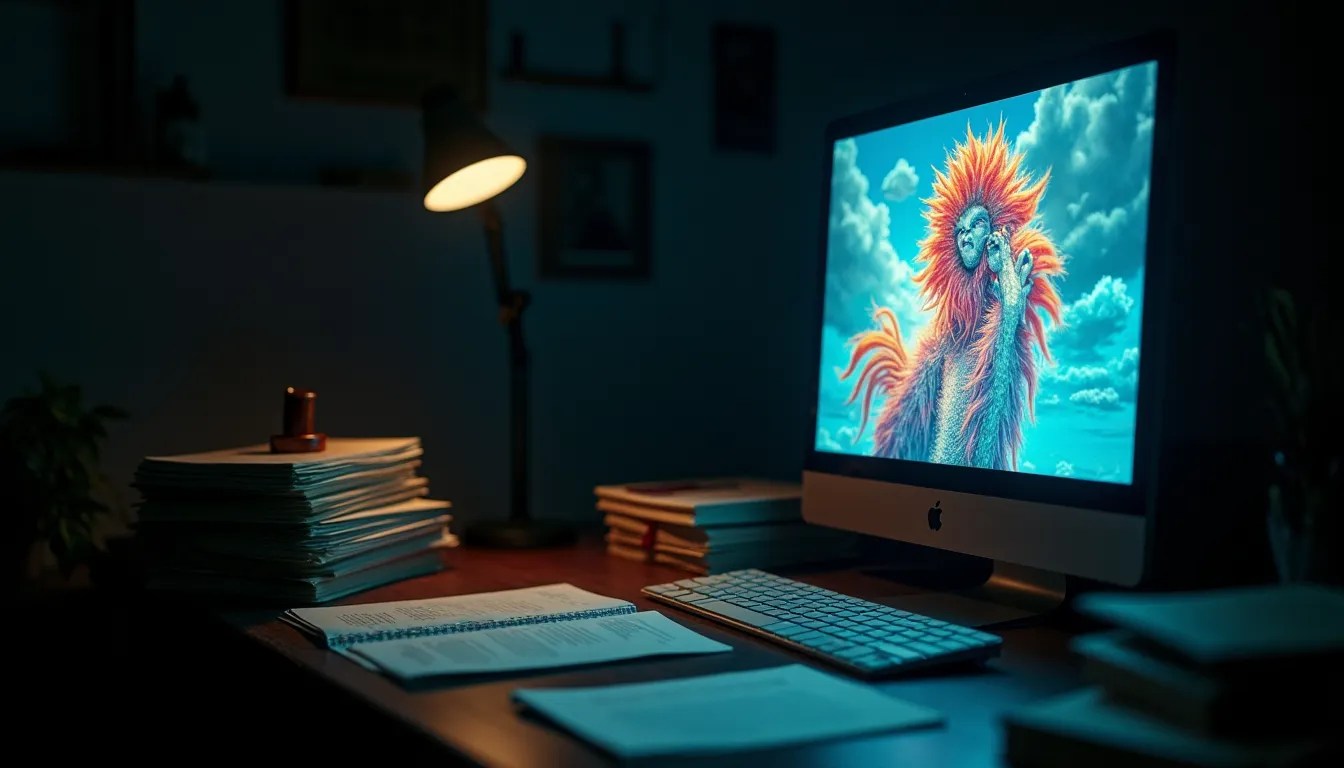
Another week, another viral AI clip with a lawsuit-shaped shadow behind it. This time it’s an animation that racked up millions of views before anyone bothered to ask why the lead character looked like it had walked straight off someone else’s shelf of intellectual property. Eagle-eyed viewers spotted it fast — the proportions, the color palette, the silhouette, all a little too familiar. Within a day, the conversation shifted from “how did they make this” to “who did they copy.”
This is becoming the pattern, not the exception. A tool or a creator puts out something genuinely impressive, it spreads because it’s genuinely impressive, and then somewhere in the replies someone posts a side-by-side comparison that makes the whole thing look less like innovation and more like a reskin. We’ve seen versions of this with AI video generators spitting out characters that look suspiciously like Pikachu, Mario, SpongeBob, and a dozen other instantly recognizable designs the moment you give them a loose enough prompt. It keeps happening because of how these models actually work.
Here’s the uncomfortable truth nobody in the AI video space wants to say plainly: these models were trained on enormous piles of scraped internet data, much of it copyrighted, almost none of it licensed. When you ask a model to generate “a heroic animated fox” or “a plucky robot sidekick,” it doesn’t invent from nothing. It reaches for the most statistically obvious version of that concept baked into its training data — and often, the most statistically obvious version is a famous character somebody else owns. That’s not a glitch. That’s the model doing exactly what it was built to do, using data it was never given permission to use in the first place.
You can’t fix that at the prompt level. Training data is training data — it’s already baked into the weights, and no amount of clever prompting undoes what a model learned from. That part of the problem belongs to the labs building these tools, and it’s a legitimate legal and ethical mess that isn’t getting resolved anytime soon, especially with pricing and access details around a lot of these newer video models still murky and hands-on testing from outside labs still thin on the ground. We genuinely don’t know yet how good, or how derivative, some of these systems are in practice until more people get real access.
But here’s where I disagree with the instinct to just blame the machine and move on. The model generating a familiar-looking character is one problem. Publishing it is a completely different decision, and that one belongs entirely to the person who hits share.
If your AI tool spits out something that looks like an existing character, that’s your cue to stop, not your green light to post. Publishing that output isn’t a neutral act — you’re now the one distributing something that rides on someone else’s copyright and, depending on who it resembles, someone else’s actual face or persona. That’s a legal risk you’re choosing to take on, for a clip that gets its viral juice from borrowed recognition rather than anything you actually made. It’s also, frankly, a waste of the tool. If the most interesting thing about your AI animation is that it looks like a character somebody else spent years designing, you haven’t proven you’re a creator — you’ve proven you can copy-paste at one remove.
The fix is boring compared to the drama of the scandal, but it works: build your own reference material. Upload your own face, your own sketches, your own custom character designs, and use those as the anchor for what the model generates. Nobody can sue you for using your own likeness. Nobody can claim ownership over a design you fed in yourself. And the upside isn’t just legal safety — it’s that you start building something that’s recognizably yours, an actual visual identity across your projects instead of a string of outputs that all trace back to the same handful of trained-in celebrities and franchise mascots.
None of this makes me down on AI video as a tool for storytellers. If anything, the opposite. This is genuinely one of the first moments in film history where a screenwriter with no budget and no studio backing can visualize an ambitious idea and put it in front of millions of people without anyone’s permission. That’s an extraordinary shift, and I don’t think the copyright mess should scare people away from using these tools to make things. It should just change what people are willing to publish.
The training data problem isn’t yours to solve. What you release under your own name is. Every viral AI hit with a copyright scandal underneath it is a reminder of exactly where that line sits — and creators who want to actually build a career off this technology, rather than a single viral moment followed by a cease-and-desist, are the ones who’ll learn to work on the right side of it.
FAQ
Why do AI video generators create characters that look like copyrighted franchises?
AI models generate the statistically most common version of a prompt based on their training data, which often includes copyrighted characters scraped from the internet without licensing — so a vague prompt like “heroic animated fox” can default to a famous, recognizable design.
How can filmmakers avoid copyright issues when using AI video tools?
Upload your own reference material — original sketches, custom character designs, or your own likeness — as the anchor for generation, and avoid publishing any output that closely resembles an existing copyrighted character.
Sources
Related