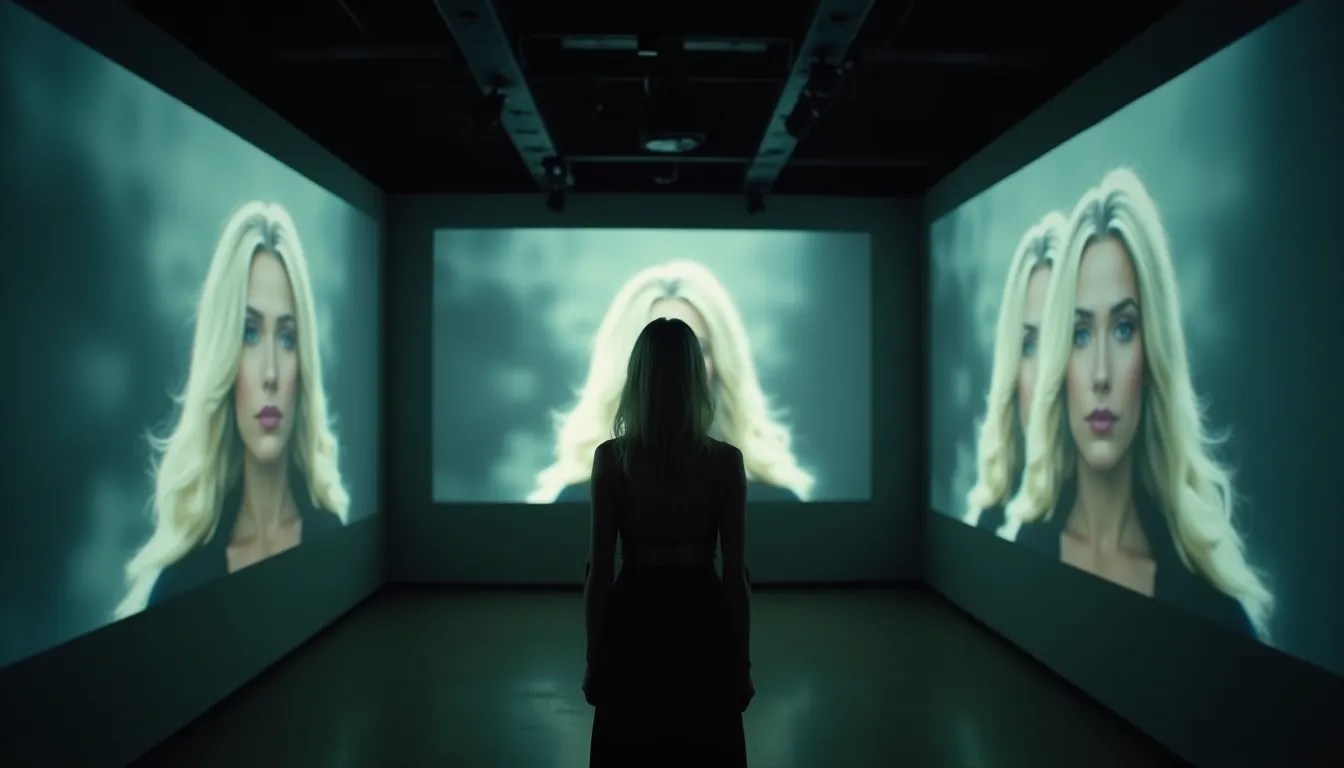
Margot Robbie didn’t do anything to start this fight. That’s the part worth sitting with. Her face is reportedly being pulled in two directions by people who aren’t her — Hollywood lookalikes and studios arguing over who gets to use her image, with an AI archive dispute sitting at the center of it. The specifics of who filed what and when are still murky, and independent verification of the claims is thin right now. But the shape of the fight is clear enough: companies want to use old footage of Robbie, or AI-generated versions built from that footage, and nobody seems fully sure who has to say yes before that happens.
Sit with that for a second. Margot Robbie is one of the most recognizable actors alive. She has a team, lawyers, a production company, leverage most performers will never have. If her face can end up in a gray zone where studios and lookalike operators are both making claims on it, what happens to the actor two credits down the call sheet who did a day of background work in 2014 and has no idea their likeness is sitting in some studio archive right now?
That’s the real story here, and it’s bigger than one star.
Why a famous face is still a legal mess
Likeness rights in the US are a patchwork, not a system. There’s no single federal law that says “here is exactly what a studio can and can’t do with an actor’s digital image after a film wraps.” Instead you get a mix of state right-of-publicity laws, old contract language written before anyone was generating faces with AI, and union agreements that are still catching up. SAG-AFTRA fought hard for AI consent and compensation language in its 2023 contract, and states like Tennessee have passed laws like the ELVIS Act specifically to address AI voice and likeness misuse. Congress has floated the NO FAKES Act to create a federal likeness right. None of it adds up to a clean, settled answer yet.
So when a dispute like this one surfaces — old footage, an AI-touched version of it, competing claims over who’s allowed to monetize Robbie’s face — it’s not really a Margot Robbie problem. It’s a preview of what happens when a decades-old studio contract meets 2024-era AI tools. Most actor agreements from ten or twenty years ago never contemplated that a studio, an archive licensor, or a third-party AI company might one day generate new performances, or quasi-performances, out of old footage. That ambiguity is exactly what’s being fought over now.
We’ve already seen smaller versions of this collide publicly. Scarlett Johansson said OpenAI used a voice “eerily similar” to hers after she’d declined to work with the company — OpenAI denied it was meant to be her, but pulled the voice anyway. Tom Hanks had to publicly warn fans that an AI version of him was being used in a dental ad he never agreed to. Those were cautionary tales. A dispute touching someone at Robbie’s level, where studios themselves are reportedly part of the disagreement, is a different order of problem — because it suggests even the companies that are supposed to be protecting an actor’s image can’t agree internally on who controls it.
What this means if you’re actually making something
If you’re a filmmaker or screenwriter working with AI tools right now, the lesson isn’t “wait for the lawsuits to resolve.” It’s that likeness clearance needs to be treated the way music clearance already is — as a real line item, not an afterthought. Don’t assume old footage is fair game just because it’s old. Don’t assume a “deepfake-style” recreation sidesteps consent because it’s technically a new generation rather than a direct copy. Get it in writing, get it specific to AI use, and don’t rely on a contract an actor signed before any of this technology existed to cover what you’re about to do with it.
What’s genuinely uncertain here is how this particular dispute resolves, and whether it sets any real precedent — the details are still thin, and nobody’s published a hands-on account of what the AI-made footage even looks like or how convincing it is. That’s worth being honest about.
But the bigger point doesn’t need the fine print to land: if Margot Robbie’s team, with all its resources, is still fighting over who controls her face, then every actor without that kind of leverage should be asking right now exactly what their old contracts actually say about AI. Because the answer, for most of them, is probably nothing at all.
FAQ
Can studios legally use an actor’s old footage to create AI versions of them?
It depends on the actor’s contract and state right-of-publicity laws. Many older contracts never addressed AI use, which is why disputes like Margot Robbie’s are emerging — the legal framework is still a patchwork rather than a clear federal standard.
What should filmmakers do to avoid likeness rights issues when using AI?
Treat likeness clearance like music clearance: get explicit, written consent that specifically covers AI-generated or AI-altered use, rather than relying on older contracts signed before such technology existed.
Sources
Related